Trends And Challenges In PCB Manufacturing For 2024
Miniaturization and High-Density Interconnect (HDI) PCBs
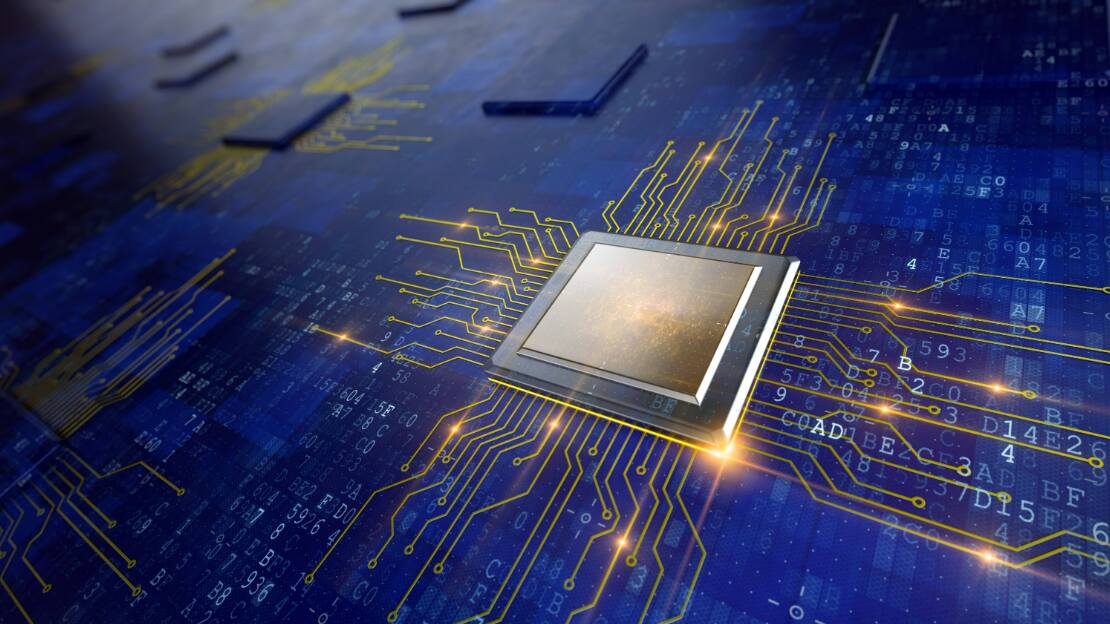
As electronic devices become smaller and more powerful, the need for miniaturization in PCBs is increasing. High-Density Interconnect (HDI) technology is crucial in this trend, allowing for more components to be packed into smaller areas. HDI PCBs use microvias, blind and buried vias, and fine lines and spaces to achieve higher wiring density, making them ideal for smartphones, tablets, and other compact devices.
PCBPit.com has invested heavily in HDI manufacturing capabilities, enabling them to produce complex, multi-layer PCBs with extremely high component densities. This positions them as a go-to partner for companies developing cutting-edge electronic products.The demand for flexible and rigid-flex PCBs is on the rise due to their versatility and application in compact and complex electronic devices. These PCBs can bend and flex, allowing for more innovative and space-saving designs. They are particularly popular in wearable technology, medical devices, and military applications where space and weight are critical considerations.
With state-of-the-art manufacturing facilities, PCBPit.com has established itself as a reliable supplier of high-quality flexible and rigid-flex PCBs. Their expertise in this area has made them a preferred choice for companies in the medical and aerospace industries.
5G Technology Integration
The rollout of 5G networks is a major driver for advancements in PCB manufacturing. 5G technology requires PCBs that can operate at higher frequencies and handle increased data rates. This necessitates the use of low-loss materials and precise manufacturing techniques to ensure signal integrity and performance.PCBPit.com has been proactive in adapting their manufacturing processes to meet the demands of 5G technology. They offer specialized PCB solutions designed specifically for 5G applications, helping their customers stay ahead in this rapidly evolving market.
Automation and Industry 4.0 are transforming PCB manufacturing processes. The use of robotics, artificial intelligence (AI), and machine learning (ML) in production lines improves efficiency, accuracy, and consistency. Smart factories equipped with IoT devices enable real-time monitoring and predictive maintenance, reducing downtime and increasing productivity.
PCBPit.com has embraced these technologies, implementing advanced automation systems throughout their manufacturing facilities. This investment has allowed them to offer faster turnaround times, higher quality products, and more competitive pricing to their customers.
Conclusion
The PCB manufacturing industry is poised for significant growth and innovation in 2024. Companies like PCBPit.com are leading the way, embracing new technologies and materials to meet the evolving needs of their customers. By staying ahead of these trends and addressing the associated challenges, PCB manufacturers can position themselves for success in this dynamic and competitive industry.For those looking to leverage these advancements in their electronic products, partnering with an experienced and forward-thinking PCB manufacturer like PCBPit.com can be a game-changer.
Their commitment to innovation and quality ensures that customers have access to the latest PCB technologies and manufacturing techniques, helping bring cutting-edge electronic products to market faster and more efficiently.
How to Choose the Right Surface Finish for Your PCB